Events & Weddings
Winery Private Events: Your Guide to B.R. Cohn in Sonoma
July 28, 2026

The short list of venue options has already turned into a spreadsheet. One space looks beautiful but doesn't handle logistics well. Another is convenient but forgettable. A third seems promising until the fine print rules out the date that matters most.
That's usually the point where winery private events start to make more sense than a standard banquet room. In Sonoma, the venue can do more than hold guests. It can shape the pace of the day, the arrival experience, the photography, the food and wine flow, and the feeling people carry home after the last toast.
At the right estate, the event doesn't feel borrowed from a template. It feels rooted in a place.
Why Host Your Private Event in Sonoma Wine Country
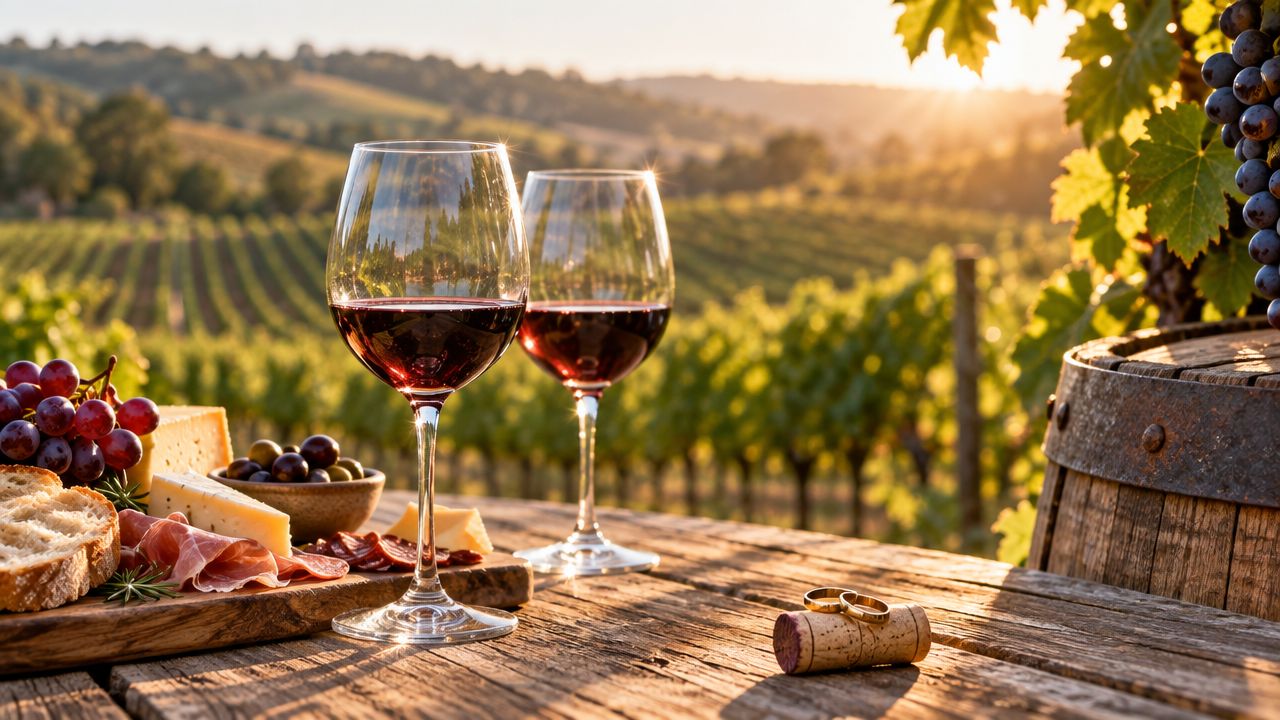
A private event in Sonoma works because the setting does part of the hosting. Guests don't walk into a neutral room and wait for the program to start. They arrive to vineyard rows, open sky, mature trees, and a rhythm that's slower than city venues usually allow. That shift matters for weddings, client dinners, milestone birthdays, and company gatherings that need warmth instead of corporate stiffness.

The strongest events in wine country don't treat the winery as background decor. They build around the full estate experience. Guests might begin with a welcome pour, move into a grove or barn for conversation, then settle into dinner with the scenery still visible instead of hidden behind drape and drywall. That progression feels natural because it is natural.
According to the Global Wine Tourism Report 2025, 50% of wineries now specifically host culture-focused events such as music concerts and private gatherings, reflecting a major shift toward using wine estates as premier venues for private events. That aligns with what planners already see on the ground. People want more than a room rental. They want a place with story, texture, and a sense of occasion.
Why a winery often beats a ballroom
A ballroom usually asks the planner to create atmosphere from scratch. A Sonoma estate starts with atmosphere already in place.
Three advantages stand out:
- Built-in setting: Vineyard views, olive trees, and open-air transitions reduce how much décor has to work.
- Better guest flow: Outdoor and semi-outdoor spaces make arrivals, cocktail hours, and dinner service feel less compressed.
- A stronger memory: Guests remember where they were standing when the light changed over the vines. They rarely remember carpet patterns.
A winery event works best when the planner uses the property as part of the program, not just the address.
The Sonoma difference
Sonoma wine country also suits mixed guest lists. Some people come for the wines. Others care more about scenery, food, or music. A winery setting gives each group something tangible to connect with, which makes hosting easier. That's especially valuable for corporate events where attendees may not know one another, and for weddings where families and friend groups are meeting for the first time.
A venue visit helps clarify that quickly. The estate's Sonoma Valley visitor experience shows how the property operates as a destination rather than a simple rental site. That difference is usually what separates an event that feels scheduled from one that feels lived in.
Finding Your Perfect Space at B.R. Cohn
Every event space has a personality. Some are better at creating intimacy. Others carry a larger visual statement and can absorb a crowd without feeling chaotic. At this estate, the right fit depends less on what sounds impressive on paper and more on how the event is supposed to feel once guests arrive.
The Amphitheater suits planners who want a little drama in the best sense. It works for presentations that need a natural focal point, celebrations that benefit from a live performance atmosphere, and receptions where the setting should carry some theatrical energy before dinner even begins. A music-forward event belongs here because the layout supports that kind of momentum.
The Olive Grove does the opposite. It quiets the event down. Under mature trees, smaller gatherings tend to feel more intentional, more conversational, and less performative. That's why it's a strong match for rehearsal dinners, anniversary dinners, private tastings, and executive meals where people need to hear one another.
How each space tends to function
The Open Air Barn is the workhorse space. It handles formal dinners well, but it can also loosen up for a standing celebration, holiday party, or company reception that doesn't need a rigid seating chart. It has enough structure to feel organized and enough openness to stay relaxed.
Planning rule: Choose the space based on guest behavior, not just guest count. A seated dinner, a presentation-heavy offsite, and a mingling-forward party use square footage very differently.
The estate's private event options are easiest to evaluate by matching each venue to the event's real center of gravity. If the event revolves around performance, choose the space that frames performance. If it revolves around conversation, choose the space that lowers the volume naturally.
B.R. Cohn Event Venue Comparison
| Venue | Seated Capacity | Standing Capacity | Best For |
|---|---|---|---|
| Olive Grove | Intimate gatherings | Intimate gatherings | Rehearsal dinners, private dinners, smaller celebrations |
| Amphitheater | Flexible by layout | Flexible by layout | Music-themed events, presentations, memorable ceremonies or receptions |
| Open Air Barn | 150 | 250 | Weddings, corporate dinners, holiday parties, larger social events |
The numbers only tell part of the story. The room tone matters just as much.
Matching the vibe to the event
A few practical pairings tend to work well:
- Wedding weekend events: Olive Grove for the rehearsal dinner, then a larger main celebration in the barn or another primary event area.
- Corporate programs: Amphitheater for welcome remarks or a keynote-style moment, followed by dinner and networking in a more flexible space.
- Milestone social events: Open Air Barn for guest comfort and service flow, especially when the plan includes a seated meal and late-evening mingling.
The best planners treat venue selection as operational strategy. The wrong backdrop creates friction all day. The right one solves problems before guests ever notice them.
Crafting a Legendary Event from Weddings to Corporate Gigs
A great event at a winery should feel like it could only happen there. At B.R. Cohn, that means treating the estate's rock-and-roll history as part of the guest experience, not as a novelty layered on top at the last minute. The rare advantage here is practical as much as stylistic. Couples can pursue a premium Saturday wedding date without giving up the character that makes Sonoma events memorable in the first place.

For weddings, the strongest plans usually start with one question. What should guests remember six months later? If the answer is only the view, the event risks feeling interchangeable with any other wine country venue. If the answer includes the ceremony, the music, the pacing of the night, and a few details that subtly reflect the estate's history, the celebration has a much stronger identity.
Weddings that feel personal instead of generic
The best wedding design at B.R. Cohn uses restraint. Couples do not need guitars on every table or a playlist full of obvious classics. A better approach is to let the venue's history shape the mood in small, confident ways.
A practical flow often works well:
Arrival with intention
Start with wine service, a polished welcome, and music that sets tone without overpowering conversation.Ceremony in a setting that already carries the scene
Use the vineyard and mountain backdrop to do the visual work. That usually saves money on décor and keeps the ceremony focused.Cocktail hour with a bit more personality
This is the right point to introduce subtle references to the estate's music legacy through playlists, menu naming, or printed details.Reception that changes pace at the right time
Keep dinner warm and social, then let the evening open up into dancing or live performance once guests are ready for it.
The trade-off is straightforward. A heavily themed wedding can feel forced fast. A lightly directed wedding with a clear point of view tends to age better in photos and feels more natural in person.
For couples sorting through dates, ceremony options, and event details, the B.R. Cohn weddings page is the right place to confirm current availability and planning information.
Corporate events people actually remember
Corporate groups need more than a pretty setting. They need a schedule that respects attention span, service timing, and the reason people are gathering in the first place. At a property like this, the mistake is trying to run the day like a hotel ballroom program.
The format works better when the agenda has shape. Open with a focused welcome. Keep presentations tight. Give people room to move and reset between formal moments. Then close with something that feels hosted rather than obligatory, whether that is a dinner, tasting, or music-forward evening reception.
A few elements consistently improve corporate winery events:
- A clear opening: Guests should know within the first ten minutes whether this is a strategy session, a client hospitality event, or a team celebration.
- Shorter formal programming: Long blocks of slides waste the setting and drain the room.
- Food and wine timed to the agenda: Service should support conversation, not interrupt it.
- An ending with character: A live set, a curated soundtrack, or a story-driven toast gives the event a finish people carry home.
Using the estate's history without overdoing it
A winery private event offers planners the chance to make the occasion feel legendary, elevating it beyond a merely well-organized standard. The estate already has a built-in story. The job is to use it with discipline.
Good choices are usually modest:
- Curated music for each phase of the event
- Printed details that nod to the property's background
- A host script or welcome toast that gives guests context
- Entertainment that fits the crowd size and the hour
B.R. Cohn Winery gives planners a combination that is hard to find in one place. Saturday wedding potential, Sonoma wine country atmosphere, and a real music legacy. Used well, that mix creates an event with both operational logic and a story guests will repeat later.
Understanding Event Packages and Budgeting
Budget conversations go better when the planner separates fixed costs from variable ones. Winery private events often feel complicated because the venue fee is only one layer. Once the numbers are broken into venue, beverage minimums, guest count, and date choice, the decision gets much easier.

For events of 70 to 150 guests in Sonoma Valley, Saturday venue fees peak at $11,500 in high season, while weekday rates can offer a 35% cost reduction. Factoring in the typical $25 minimum wine purchase per drinking-age guest is critical to avoid budget overruns, as outlined on the wedding and event pricing information.
Start with the date before the décor
The date drives more of the budget than many planners expect. Saturday carries the premium because demand is strongest. Weekdays can create meaningful savings without changing the venue itself.
That leads to a simple trade-off:
- Saturday works best when guest travel, ceremony timing, and traditional expectations matter most.
- Weekday works best when the host wants the same setting with more budget room for food, music, or guest experience upgrades.
If the event is flexible on day-of-week, the savings can be redirected into the parts guests notice.
A simple way to build the baseline
For planning purposes, it helps to calculate in layers:
| Budget Layer | What to Include |
|---|---|
| Venue fee | The base rental tied to season and day |
| Wine minimum | The required beverage spend based on drinking-age guests |
| Guest-driven additions | Catering, rentals, floral, entertainment, staffing |
| Experience upgrades | Welcome pours, tasting elements, live music integration |
The venue fee is known early. The wine minimum should be added immediately, not later. That's the line item many planners underestimate.
Budget check: If the guest list includes many adults of drinking age, the wine minimum belongs in the first draft budget, not the third.
Package thinking helps even when pricing is custom
Some planners get stuck trying to finalize every detail too early. A better approach is to think in service tiers first, then refine. The practical version looks like this:
- Classic direction: Elegant setting, efficient service, fewer custom layers.
- Signature direction: More personalization, stronger food and beverage presence, more developed guest flow.
- Full-service direction: High-touch coordination, extensive styling, and a more programmed event arc.
That framework helps clients decide where the money should work hardest. For one event, that may be live entertainment. For another, it may be a longer dinner with premium pours and upgraded seating.
The clearest budgets are the ones that match spending to memory. Guests will remember comfort, pace, and hospitality long after they've forgotten what the napkin fold looked like.
Finalizing Your Booking and Vendor Logistics
A strong booking process should make the final month feel calmer, not tighter. At B.R. Cohn, that matters even more because the property can support very different event styles, from a polished wedding dinner to a rock-and-roll-tinged celebration that uses the estate's personality instead of covering it up.

Start with a clear inquiry through the private event request form. Include the event type, preferred date, guest range, and the part of the experience that matters most. Ceremony layout, seated dinner, cocktail-style flow, or live music all lead to different planning decisions.
The booking path that keeps decisions organized
The cleanest events are built in order.
Confirm the date, guest count, and space match
A Saturday wedding at a Sonoma winery is usually the first thing to disappear from the calendar. If that date matters, verify fit before spending time on design concepts or vendor outreach.Read the proposal like an operations document
Focus on access times, event end times, included areas, wine service expectations, and any venue-specific rules that affect catering, rentals, or entertainment.Build one master schedule for every vendor
Caterer, planner, rentals, floral, photo, entertainment, and transportation should all be working from the same timeline. Different assumptions create day-of delays fast.Approve the floor plan before the final walkthrough
Bar placement, dining layout, ceremony-to-reception transition, and backup weather plan should be settled early enough for every team to prepare correctly.
Entertainment and service coordination
B.R. Cohn offers the opportunity to be more than a pretty wine country venue. The estate's rock-and-roll history gives planners permission to create an event with more personality, but only if the production side is handled well. A band that fits the setting, a clear sound plan, and guest flow that still protects conversation at dinner all matter.
I usually advise clients to decide early whether music is background, a featured moment, or the backbone of the night. Each choice changes power needs, staging, timing, and how the room or outdoor area should be arranged. The same goes for wine service. A relaxed tasting moment, table-side pours, and a faster bar format each create a different pace.
Good coordination protects the guest experience.
Two practical rules tend to keep winery events on track:
- Match entertainment to the site and the hour. Acoustic music during arrival and dinner works differently than a dance set after dessert.
- Treat beverage service as crowd management, not just hospitality. Bar count, service timing, and staff communication shape lines, pacing, and guest comfort.
Vendor questions to settle before the final walkthrough
By the time the walkthrough happens, these answers should already be close to final:
- Load-in timing: Which team arrives first, and when can rentals, floral, and catering begin setup?
- Power and sound: Where will the band or DJ go, and what electrical access is available there?
- Service flow: How will guests move from ceremony to cocktails to dinner without bottlenecks?
- Bar setup: How many service points are appropriate for the guest count and format?
- Weather plan: What shifts indoors, under cover, or in layout if conditions change?
- Strike and pickup: Who handles breakdown, and what is the removal schedule after guest departure?
The best final walkthroughs are short because the hard decisions were made earlier. That leaves room to refine the atmosphere, which is exactly what a place like B.R. Cohn deserves.
Frequently Asked Questions About B.R. Cohn Events
Some questions always come late in the process, even when the venue itself is already chosen. That's normal. Most of them come down to capacity, comfort, and what happens if the day needs to pivot.

How many guests can the estate accommodate
The estate accommodates up to 150 guests for seated events using 60-inch round tables, with a maximum capacity of 250 guests for larger standing gatherings in its main event spaces, based on the event room listing details.
What happens if weather changes the plan
Outdoor and semi-outdoor events should always be planned with a backup layout in mind. The strongest event plans don't wait for a forecast crisis. They decide in advance what moves, what stays, and who makes the final call.
Are winery private events suitable for corporate groups as well as weddings
Yes. The property's spaces support both social celebrations and company functions. The key is matching format to purpose. A team offsite needs different pacing than a reception, even when both happen in the same venue family.
What details should guests ask about early
Parking, accessibility, setup windows, entertainment logistics, and decoration boundaries should all be addressed before vendors start building assumptions. That keeps quote revisions and day-of surprises to a minimum.
Where should planners make direct contact
The cleanest next step is to contact the venue team through the estate contact page. A direct conversation usually resolves timing, guest-count fit, and event-style questions faster than piecing together answers from multiple emails.
Winery private events work best when the venue adds more than scenery. The right estate gives the host atmosphere, flexibility, and a story guests can feel. In Sonoma, that combination is what turns a gathering into something people talk about long after the last glass is cleared.
For planners who want a Sonoma event with real character, B.R. Cohn Winery is worth contacting early. The estate combines wine country setting, flexible private event spaces, and a music-rooted identity that supports weddings, corporate gatherings, and milestone celebrations with more personality than a standard venue.
Visit Us
Come taste with us.
Book a guided tasting on the estate in Glen Ellen, or drop by for wines by the glass under the olive trees.
Plan Your Visit